
Showing posts with label MOROCCAN. Show all posts
Showing posts with label MOROCCAN. Show all posts
Thursday, April 1, 2021
INTERNATIONAL: Cauliflower Recipes and Videos


INTERNATIONAL: Cauliflower Recipes and Videos
International food blog: INTERNATIONAL: Cauliflower Recipes and Videos: RECIPE LINKS BELOW Parmesan Roasted Cauliflower Crispy Parmesan Cauliflower Bites Easy Baked Cauliflower Cauliflower Salad Chicken Stew and ...

Friday, March 26, 2021
INTERNATIONAL: Cauliflower Recipes and Videos


RECIPE LINKS BELOW
Parmesan Roasted Cauliflower
Crispy Parmesan Cauliflower Bites
Best Roasted Cauliflower Recipe
Mediterranean Vegan Wraps Cauliflower Tahini
Herbed Couscous with Roasted Cauliflower
VIDEOS
LINK to Moroccan Cauliflower Video
NOTE: Cauliflower - Origin and production. Cauliflowers are originally from Asia, where they were known for many centuries. However, their spreading to other continents did not take place until the 18th century. At present cauflower is mainly cultivated in Asia, and the main producing countries are India, China, Italy and France.
Friday, December 20, 2019


Friday, December 1, 2017


Wednesday, October 26, 2016
INTERNATIONAL: HERBS AND SPICES 23 : MOROCCO: RAS EL HANOUT
FROM WIKIPEDIA
Herbs and Spices are used extensively in Moroccan food. Although some spices have been imported to Morocco through the Arabs for thousands of years, many ingredients — like saffron from Talouine, mint and olives from Meknes, and oranges and lemons from Fes — are home-grown, and are being exported internationally.
Common spices include:
qarfa (cinnamon),

kamoun (cumin),

kharqoum (tumeric),

skinjbir (ginger),

libzar (pepper),

tahmira/felfla hemra (paprika),

Les graines de sesame (sesame seeds),

qesbour (coriander),

zaafran beldi (saffron),

massia (mace),

qronfel (cloves),

basbas (fennel),


Nnafaâ (anise),

elgouza (nutmeg),

zaâter (oregano),

(not to be confused with za'atar a Lebanese spice mix which contains dried thyme, sumac, and sesame seeds tastes of bold, citrus notes. Photo below)

felfla soudania (cayenne pepper),

and Ourka sidna moussa (bay laurel).

The leaves of bay (Laurus nobilis) are used in many slow-cooked foods such as stews, soups, and roasts; they are equally good in sweet recipes. In Europe, bay leaves are commonly used to flavor desserts such as custard and pudding.

qesbour (coriander),

Origins of the Words Coriander and Cilantro
Do you maybe even know it by another name altogether?
- The Latin name for the herb in question is Coriandrum sativum. So, as you can easily see, this is where the word "coriander" is derived from.
- In turn, the word "cilantro" is the Spanish translation of this word (coriander).
zaafran beldi (saffron),

massia (mace),

qronfel (cloves),

basbas (fennel),


Nnafaâ (anise),

elgouza (nutmeg),

zaâter (oregano),
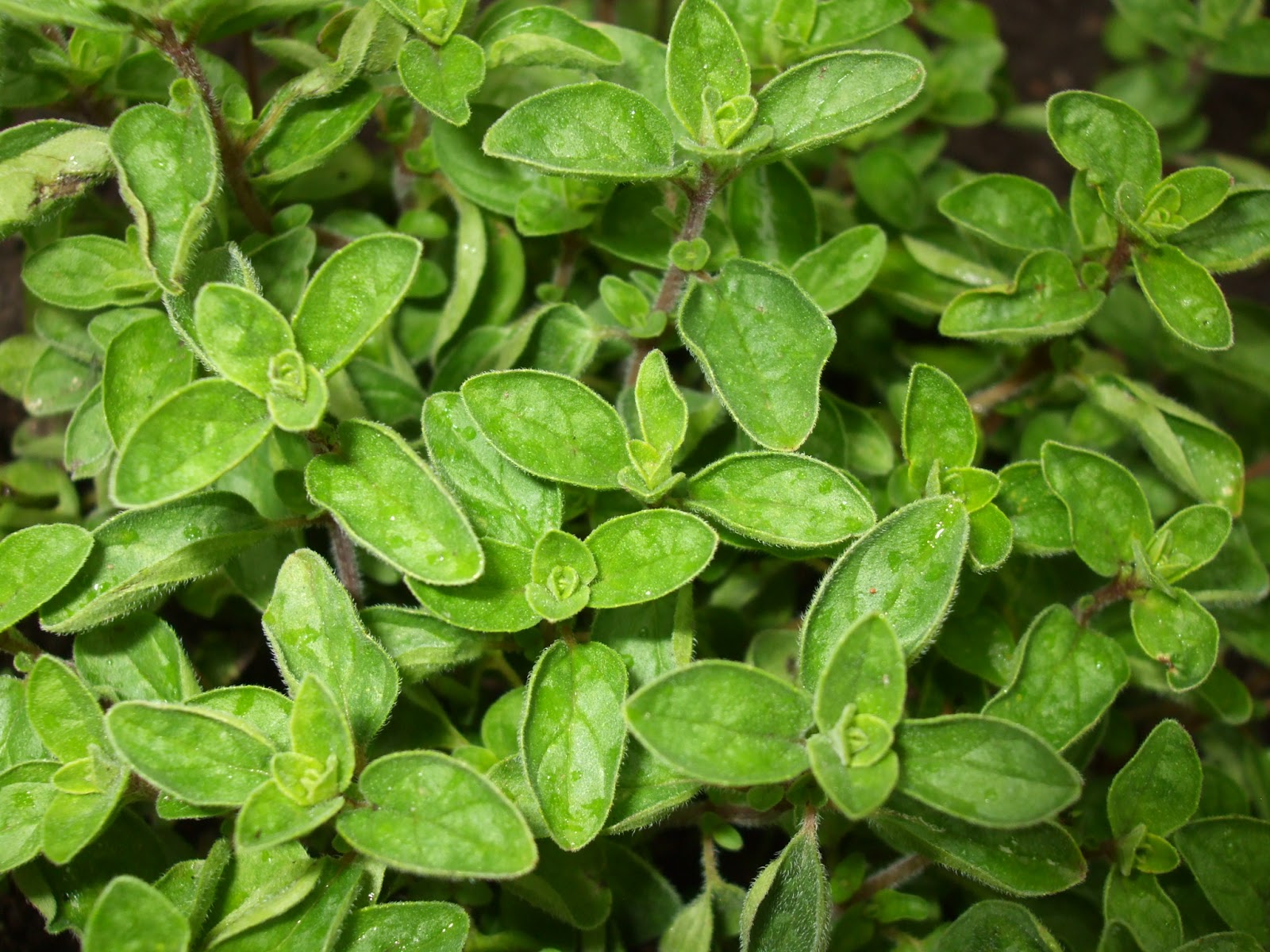
(not to be confused with za'atar a Lebanese spice mix which contains dried thyme, sumac, and sesame seeds tastes of bold, citrus notes. Photo below)

felfla soudania (cayenne pepper),

and Ourka sidna moussa (bay laurel).

Most people are familiar with dried bay in cooking, but fresh bay has a much more distinctive flavor. Crush fresh bay leaves in your hand and discover their sweet, spicy scent, reminiscent of nutmeg. If a recipe calls for dried bay, you may substitute fresh with excellent results.


Traditionally 12-27 spices are combined to form the "celebrated" Moroccan spice mixture. (There are lots of versions)
Link to ingredients:
https://en.wikipedia.org/wiki/Ras_el_hanout
Link to recipe:
http://www.epicurious.com/recipes/food/views/ras-el-hanout-101070
OR
McCormick makes it or you can order online at spice shops and at Amazon.
-------------------------------------------
Common herbs in Moroccan cuisine include naanaa (mint),

maadnous (parsley),

quesbour (coriander),

fliyo (peppermint),

merdedouch (marjoram),

kerouiya (caraway),

and ellouiza (verbena).

---------------------------------------------


Subscribe to:
Posts (Atom)